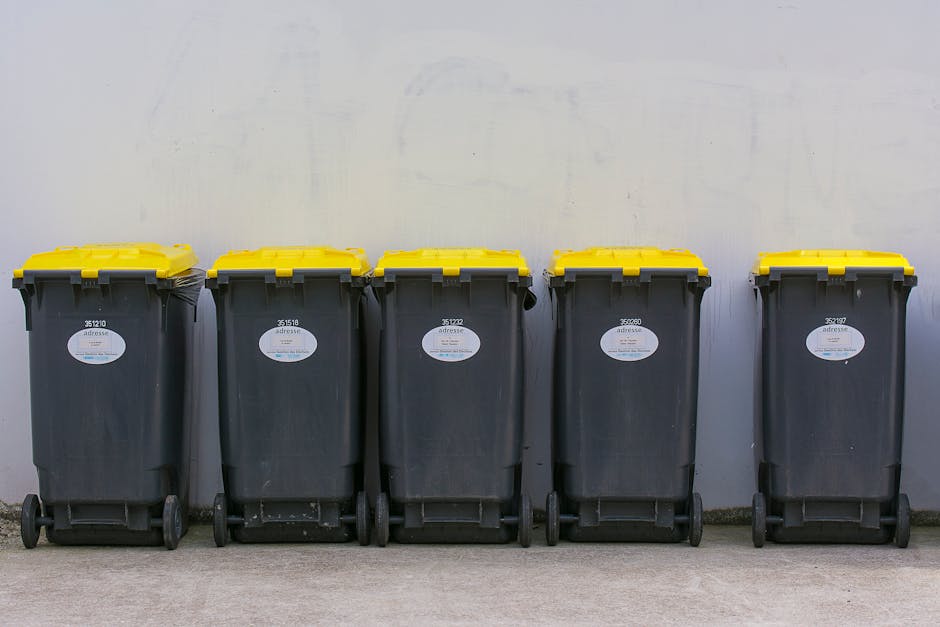
Commercial Rubbish Collection High Road Loughton Shops

If you run a shop on or near High Road in Loughton, rubbish has a habit of building up at the worst possible time. Cardboard after a busy delivery day, broken display fixtures, old stock, packaging straps, food waste from a cafe counter, or that awkward pile of mixed junk in the back room - it all eats into space and time. Commercial Rubbish Collection High Road Loughton Shops is about keeping your premises clear, tidy, and ready for business without making waste management another headache on your list.
This guide breaks down how shop waste collection works, what businesses usually need to think about, where the common traps are, and how to choose a practical approach that suits a busy retail environment. You will also find a checklist, a comparison table, and a few realistic examples from day-to-day shop life. Let's face it, no one opens a shop because they love sorting out waste. But once you have a simple system, it becomes one of those quiet things that makes the whole business run better.
Why Commercial Rubbish Collection High Road Loughton Shops Matters
Shopfronts live and die by first impressions. A clean entrance, uncluttered stockroom, and sensible waste routine make a business feel more organised before a customer has even spoken to anyone. On a busy road like High Road, where footfall, deliveries, and narrow working spaces can all collide, waste management stops being a background issue and becomes part of day-to-day trading.
For shops, rubbish is not just "rubbish". It can include packaging waste, damaged goods, old shelving, broken mannequins, worn shop fittings, seasonal display materials, and one-off clear-out items after refits. If it sits too long, it can block access, create trip hazards, and make stock handling awkward. Worse, it can send the wrong message to customers. You know the feeling - one overflowing bag outside the back door and suddenly the whole place looks off.
There is also a commercial side to it. Delays in waste removal can slow down deliveries, reduce usable storage space, and lead to back-of-house mess that staff have to work around. In smaller retail units, that space is often precious. One missed collection or poorly timed clear-out can have a surprising knock-on effect.
Expert summary: good shop waste collection is not about taking rubbish away as an afterthought. It is about protecting the working rhythm of the business, keeping customers' confidence intact, and preventing small messes from turning into bigger operational problems.
How Commercial Rubbish Collection High Road Loughton Shops Works
In practical terms, commercial rubbish collection for shops usually starts with an assessment of what needs removing, how much there is, and how urgently it has to go. A small boutique with a few broken rails and boxes of packaging has very different needs from a busy convenience store, a salon, or a retail unit preparing for a refurbishment. The collection method should fit the reality of the premises, not the other way round.
Most collections follow a simple process:
- Identify the waste - Separate what is general commercial waste, what can be recycled, and what needs special handling.
- Estimate volume - This helps with pricing, timing, and whether a one-off collection or a regular service makes more sense.
- Choose the collection window - Shops often need early morning, late evening, or quieter trading-hour pickups so the customer flow is not disrupted.
- Prepare access - Waste should be moved to a safe, sensible point where it can be collected without blocking staff or customers.
- Load and remove - A trained team handles lifting, sorting, and transport, usually with an eye on recycling and safe disposal.
- Record or confirm the work - Many businesses like a clear record of what was removed, especially for compliance and internal housekeeping.
In a retail setting, speed and discretion matter. If the collection team arrives while the shop is open, they need to work neatly and efficiently. If they arrive before opening, the handover should be smooth enough that staff can get on with the actual trading day without delay. A good service feels almost invisible. That is the point.
For shops with mixed waste streams, it can help to pair commercial rubbish collection with related services such as business waste removal or, where bulky stockroom items are involved, office clearance. If you are dealing with furniture, counters, or display units, options like furniture disposal can also be useful.
Key Benefits and Practical Advantages
There are obvious benefits - less clutter, less mess, easier movement - but the real value often shows up in the details.
- Better use of space: Stockrooms and back areas are usually too small already. Clearing waste creates room where it actually matters.
- Cleaner customer experience: A tidy frontage and neat waste handling make the business feel better run.
- Reduced trip and handling risks: Loose packaging, split bags, and damaged items can become hazards very quickly.
- Less staff frustration: People work more comfortably when they are not stepping around piles of cardboard or broken fixtures.
- More efficient refits and seasonal changes: A rubbish collection service can speed up stock changes, promotions, and post-fitout clean-ups.
- Recycling opportunities: Good sorting means more material can often be diverted from general waste, which supports a more sustainable routine.
There is also a simple morale benefit. Staff tend to feel better in a space that is clean and under control. It sounds small, but anyone who has ever worked a Thursday morning shift after a hectic delivery day knows it is not small at all.
Who This Is For and When It Makes Sense
Commercial rubbish collection on High Road Loughton is relevant to far more shops than people first assume. It is not only for major refurbishments or dramatic clear-outs. In many cases, the need is routine.
This kind of service is especially useful for:
- independent retailers with limited back-of-house storage
- convenience stores dealing with constant packaging waste
- hairdressers and beauty businesses replacing equipment or furniture
- cafes and takeaways that generate mixed commercial waste
- fashion shops clearing seasonal stock, rails, and fixtures
- newsagents, pharmacies, and specialist stores with awkward bulky items
- shops undergoing a refit, closure, or end-of-lease handover
It also makes sense when waste is too bulky for normal bins, too mixed for simple recycling, or too time-sensitive to leave sitting around. If you have ever tried to move ten flattened boxes, three broken shelves, and an old fridge out of a tight stockroom while customers are coming in and out of the front door, you already know why. It is not exactly a glamorous part of shopkeeping.
For retailers that also need occasional specialist removal, related services such as fridge and appliance removal or builders waste clearance can be worth considering during fit-outs or equipment upgrades.
Step-by-Step Guidance
If you are planning a shop waste collection and want it to go smoothly, a simple structure helps. Here is a practical approach that works well for most High Road retail settings.
- Walk the site properly. Do a quick stockroom and shop-floor check. Look at what is actually in the way, not just what seems obvious at first glance.
- Group the waste by type. Cardboard, mixed general waste, furniture, broken display equipment, and anything hazardous should not all be treated as the same thing.
- Remove anything reusable or confidential. Paperwork, till records, branded material, or usable stock may need separate handling. If papers are involved, confidential shredding is a sensible safeguard.
- Check access routes. Back doors, corridors, shared entrances, loading points, and time restrictions can all affect the plan. Small things, but they matter.
- Confirm timings. Choose a collection slot that fits around deliveries and opening hours. A few minutes of planning saves a lot of awkwardness later.
- Ask about recycling and disposal. It helps to know whether recyclable materials will be separated and how mixed waste will be managed.
- Keep records. Even simple notes on what was removed and when can help if you need to track costs or explain disposal decisions internally.
If the collection is part of a larger declutter, you may also want to look at waste removal for mixed loads or pricing and quotes if you are comparing options before booking. A quick quote conversation often clears up more than people expect.
Expert Tips for Better Results
These are the small, practical habits that make commercial rubbish collection smoother in real shops. Nothing flashy. Just the stuff that prevents headaches.
- Do not wait until the storage room is bursting. That is when collections become slower, messier, and sometimes more expensive to manage.
- Flatten packaging where possible. Cardboard and bulky cartons take up far more room than they need to.
- Keep a small "do not mix" area. Hazardous items, electricals, and reusable stock should not be casually thrown in with general rubbish.
- Use one person to coordinate the collection. Too many instructions from too many people can turn a simple job into a muddle. Been there, done that, regretted it.
- Schedule collections around business rhythm. Mornings after deliveries or just before closing can be better than a random busy-hour slot.
- Think about the next seven days, not just today. If a big delivery or window change is coming, plan waste removal before the pile grows.
One useful habit is to keep a small note in the staff area listing the kind of waste that tends to build up each week. It sounds almost too simple, but that little bit of pattern-spotting can reduce waste chaos very quickly.
Common Mistakes to Avoid
Most waste problems in shops are not dramatic. They are just the result of good intentions meeting a busy day. Here are the mistakes that show up again and again.
- Mixing everything together: When recyclables, general waste, and special items all go in one pile, disposal becomes less efficient and potentially more costly.
- Ignoring access issues: A collection team cannot work safely if the route is blocked by boxes, stock trolleys, or a locked rear gate no one mentioned.
- Leaving it too late: A small clear-out job can become a larger, more disruptive one if waste is left to accumulate for weeks.
- Forgetting about fragile business timings: Peak shopping hours are rarely the best moment for a rubbish lift.
- Not checking special waste separately: Items like appliances, some fixtures, and anything potentially hazardous may need a different route.
- Assuming all waste services are the same: They are not. A service that is fine for household clearances may not be ideal for a busy commercial frontage.
Another one, quite common: asking staff to "just sort it later". Later rarely arrives. Then the room becomes a storage cave and everyone pretends not to notice. Human nature, I suppose.
Tools, Resources and Recommendations
You do not need a complicated system to manage shop waste well. A few practical tools and service pages can help you make decisions more confidently.
- Clear bags and labelled bins: Make it obvious what goes where.
- Simple internal instructions: A one-page staff note is often enough for everyday waste handling.
- Regular review of waste types: If the same item keeps appearing, that is a clue your process needs adjusting.
- Specialist support for bulky items: For furniture, broken counters, or display units, furniture clearance can be a better fit than trying to bundle everything into general waste.
- Recycling-focused planning: If sustainability matters to your brand, start with the page on recycling and sustainability.
- Security and trust information: For businesses that handle invoices, customer data, or sensitive documents, payment and security and insurance and safety are worth a look before booking.
If you are comparing services, it is also sensible to review the provider's background and approach. Pages like about us and health and safety policy can help you judge how seriously they treat the work. That sort of confidence matters more than people admit.
Law, Compliance, Standards, or Best Practice
Commercial waste in the UK needs to be handled responsibly, and shops should take that seriously. The exact obligations depend on the nature of the waste, but the general expectation is straightforward: waste should be stored safely, transferred appropriately, and handled by people who understand what they are doing.
For shop owners, the key best-practice points are:
- Keep waste segregated where practical. Mixed waste is harder to manage and may reduce recycling opportunities.
- Do not leave waste in public-facing areas. It can create hazards and damage presentation.
- Be careful with electrical, sharp, or heavy items. These need proper handling and safe lifting.
- Use a provider with clear terms. If you are unsure about service scope, terms and conditions can clarify expectations.
- Handle hazardous items separately. Anything that may be harmful should be treated with extra caution and sent through the correct route.
In practice, good compliance is less about paperwork for its own sake and more about basic discipline: safe storage, sensible sorting, and reliable removal. If you deal with items that might be classified as hazardous, make sure you understand the limits of the service before you book. The page on hazardous waste disposal is a sensible starting point.
For many shops, insurance and safety also matter in a very plain, practical way. If a heavy item has to move through a tight hallway or shared rear access, you want a team that handles it properly. No drama, no shortcuts.
Options, Methods, or Comparison Table
Different shops need different collection methods. The best choice usually depends on how often waste builds up, how bulky it is, and how much control you want over timing.
| Method | Best for | Strengths | Watch-outs |
|---|---|---|---|
| One-off commercial rubbish collection | Refits, clear-outs, seasonal changes, sudden stockroom overflow | Fast, flexible, suited to irregular waste | Not ideal if waste is constant every week |
| Regular business waste removal | Shops with steady daily or weekly waste | Predictable, routine, easier to plan around | Less flexible for bulky, unusual loads |
| Bulky-item clearance | Furniture, fixtures, old counters, display units | Good for awkward items and shop rearrangements | May require more preparation and access planning |
| Specialist disposal | Appliances, sensitive items, potentially hazardous waste | Safer handling and more appropriate disposal route | Needs more upfront checking |
If you are unsure which route fits your shop, think about what happens in a normal week. If the same waste type appears again and again, routine removal may suit you. If the problem is occasional but messy, one-off collection is often enough. If you are replacing furniture or appliances, look at tailored services such as mattress and sofa disposal or fridge and appliance removal where relevant.
Case Study or Real-World Example
Here is a realistic example. A small independent shop on High Road has just finished a seasonal refresh. New stock has arrived, old promotional boards need removing, and the back room is packed with flattened boxes, broken shelving, and a couple of worn display stands. The shop is still trading, so the team cannot afford a full-day disruption.
Instead of waiting until the room becomes unworkable, the manager separates the waste into three piles: cardboard for recycling, bulky fixtures for disposal, and a small set of items that need checking before removal. The collection is booked for a quieter morning slot. Staff move the items close to the rear access point the evening before, leaving a clear walking route. On the day, the collection is quick, the stockroom is usable again by opening time, and the manager can reset the space without the usual scramble.
It is a simple example, nothing dramatic. But that is exactly the point. Good commercial rubbish collection usually works best when it removes friction quietly, not when it turns into a project. Shops need rhythm. Waste should fit around that rhythm, not interrupt it.
In bigger clear-outs, especially where the shop has a storage area or upper-level stock space, services like loft clearance or garage clearance can also be useful if the business stores surplus items off the main floor.
Practical Checklist
Use this as a quick pre-collection checklist before any shop waste removal.
- Identify what needs removing today and what can wait
- Separate recyclable items from mixed rubbish where practical
- Put confidential or sensitive items aside for shredding
- Check for appliances, sharps, or other special items
- Make sure access routes are clear and unlocked
- Confirm the best collection time around trading hours
- Move waste to a safe collection point if appropriate
- Brief staff on what is being collected and what stays
- Review whether the same waste is appearing every week
- Keep a note for internal records if needed
Quick takeaway: the cleaner the handover, the smoother the collection. A five-minute check can save half an hour of back-and-forth later. Maybe more.
Get a free quote today and see how much you can save.
Conclusion
Commercial rubbish collection for High Road Loughton shops is really about keeping the business moving. Not just cleaner, but easier to run. When waste is managed properly, staff have room to work, customers see a better-presented shop, and the whole place feels less pressured. That matters on a busy retail street where space, timing, and first impressions all carry real weight.
The best results come from simple habits: sort waste early, schedule it sensibly, and choose a removal method that matches the job. If your shop only needs occasional help, a one-off collection may be enough. If waste is building up every week, a regular plan is usually the calmer option. Either way, the goal is the same - less clutter, fewer interruptions, and a shop that feels under control again.
And honestly, there is something reassuring about walking into a back room that finally looks manageable. A small win, but a real one.
Frequently Asked Questions
What does commercial rubbish collection for shops usually include?
It usually covers mixed commercial waste, packaging, cardboard, bulky shop waste, worn fixtures, and other items that a retailer needs removed from the premises. The exact scope depends on the job.
How often should a High Road shop arrange rubbish collection?
That depends on trading volume. Some shops need weekly or even more frequent removal, while others only need one-off collections after deliveries, refits, or seasonal changes.
Can shop waste be collected outside normal opening hours?
Often, yes. Many businesses prefer early morning or quieter time slots so collections do not interfere with customers, deliveries, or staff movement.
What kind of waste should be separated before collection?
Cardboard, recyclables, confidential paperwork, appliances, and any potentially hazardous items should be separated where practical. Mixed waste is harder to handle efficiently.
Is this service suitable for small independent shops?
Absolutely. In fact, smaller shops often benefit most because storage space is limited and even a modest pile of waste can cause problems quickly.
What should I do with old shop furniture or display units?
Bulky furniture, counters, shelving, and display units are often better handled through a specific bulky-item or furniture removal service rather than general waste alone.
Can commercial rubbish collection help with a shop refit?
Yes. Refits usually create a mix of packaging, broken fittings, and bulky waste, so a planned collection can make the process much cleaner and faster.
How do I know if I need hazardous waste disposal?
If the item may be harmful, requires special handling, or is not suitable for normal rubbish removal, it should be checked carefully before booking. When in doubt, ask for clarification first.
Why is recycling important for retail waste?
Recycling helps reduce the amount sent to general waste and can make your shop's waste routine more efficient. It also supports a more responsible business image.
What is the biggest mistake shop owners make with rubbish collection?
The most common mistake is waiting too long. Once waste builds up, it becomes harder to sort, slower to remove, and more disruptive to the business.
Do I need to prepare the waste before the collection team arrives?
A little preparation helps a lot. Group items together, clear access routes, and separate anything sensitive or special. The smoother the handover, the quicker the job tends to be.
Where can I check pricing or ask questions before booking?
You can review pricing and quotes and, if you need to speak to someone directly, use the site's contact page.
What should I look for in a waste collection provider?
Look for clear service information, sensible safety practices, transparent terms, and a provider that understands commercial settings rather than only domestic clearances. That usually makes the whole process smoother.