Recycling and Sustainability for Commercial Waste Loughton
Our approach to commercial waste Loughton focuses on building an eco-friendly waste disposal area that supports local businesses while protecting natural resources. From streamlined collections to partnerships that extend the life of materials, the emphasis is on measurable, long-term sustainability. We work alongside councils and borough teams to align with broader recycling schemes and to ensure that every business in Loughton can access practical, low-impact disposal options.

Ambitious recycling percentage target and borough separation
We have set a recycling percentage target of 65% for commercial waste by 2030, aiming to reduce landfill and increase resource recovery. This target reflects the local boroughs' approach to waste separation, which typically includes separate collections for food waste, glass, paper and card, and mixed dry recycling streams. Aligning commercial waste policies with residential kerbside systems helps businesses adopt compatible segregation practices, making the whole town’s recycling more effective.
Local transfer stations and materials handling
Local transfer stations play a critical role in consolidating commercial waste before onward processing. Facilities such as the Loughton Transfer Station, the Epping Forest Transfer Facility and nearby regional hubs accept baled paper/card, segregated glass, food waste for anaerobic digestion, and bulky items destined for reuse or refurbishment. These nodes reduce double-handling and vehicle miles, supporting an efficient eco-friendly waste disposal area for the town's businesses.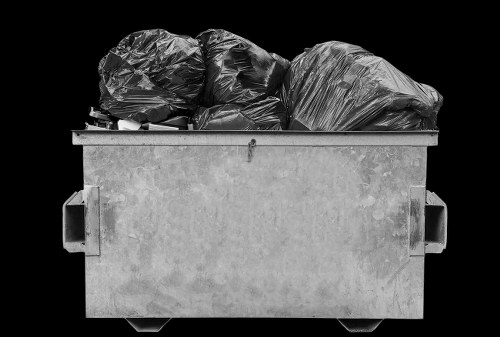 To support reuse and charitable redistribution, we work closely with community organisations and social enterprises. Strong partnerships with local charities and furniture banks ensure that usable office furniture, textiles and working electronics are diverted from the waste stream. Collaboration with reuse centres and donation networks provides additional routes for business items that are in good condition but surplus to requirements.
Our sustainable rubbish area model emphasises segregation at source. Commercial premises are encouraged to separate organic food waste from dry recyclables and general refuse. We supply clear labelling and tailored container sizes so businesses can comply with the boroughs' separation rules. This reduces contamination rates and increases the quantity of materials that can be reprocessed into new products.
Key recyclable streams for Loughton workplaces typically include:
- Paper and cardboard (baled at transfer stations)
- Glass bottles and jars (clean and separated)
- Food waste (collected for anaerobic digestion or composting)
- Plastics and metals (sorted and sent to specialist reprocessors)
- WEEE and bulky items (refurbished or recycled via partner charities)
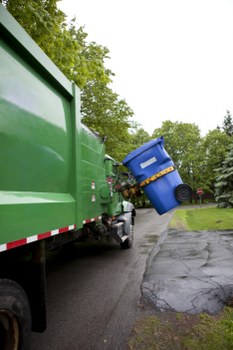
We are upgrading our fleet to low-carbon vans and electric vehicles to lower emissions from collections. A mix of electric and hybrid vans, together with route optimisation software, reduces mileage and fuel consumption. Where practical, we trial cargo bikes or small EVs for last-mile collections in town centres — a tangible step towards a low-carbon commercial waste service in Loughton.
Transparency and measurement are central to sustainable commercial waste management. Regular waste audits, tonnage reporting and contamination monitoring give businesses the data they need to improve. We publish anonymised performance metrics showing progress against the 65% recycling target and provide tailored recommendations for waste reduction and increased reuse.
Training and on-site support help staff understand the benefits of correct segregation. Practical workshops, clear bin signage and routine checks reduce cross-contamination. This is particularly important where borough collections use different containers for glass, food and mixed recycling — consistency at the business level drives system-wide improvement.
Our sustainability KPIs include reduced landfill tonnage, increased material recovery rates, and emissions cut from collection logistics. We track savings from reuse partnerships, noting items diverted to charities and community projects. These collaborative routes not only recover value from discarded materials but also support local social enterprises and community wellbeing.
Businesses benefit from cost savings, improved corporate social responsibility and stronger local reputations by adopting more sustainable waste practices. Implementing an effective Loughton commercial waste plan helps companies minimise disposal costs while contributing to the circular economy — turning waste streams into feedstocks for new products and local initiatives.
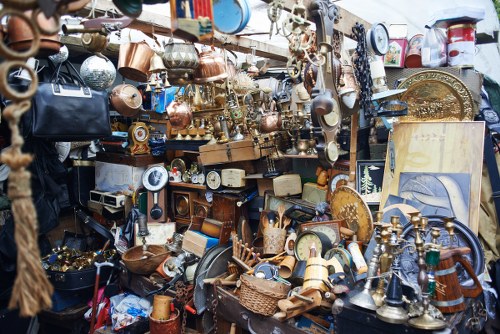 Circular initiatives include on-site composting for green and food waste, agreements to send segregated food streams to anaerobic digestion, and partnerships with local reuse organisations that redistribute assets to charities and community groups. These schemes reduce the volume of residual waste and enhance the value chain for recovered materials.
 In summary, our integrated approach to eco-friendly waste disposal and sustainable rubbish area management for commercial waste in Loughton combines a clear recycling percentage target, robust transfer station networks, charity partnerships and a low-carbon vehicle fleet. We focus on practical segregation, smart logistics and measured outcomes, helping businesses meet regulatory expectations and local environmental goals. Together, these actions create a resilient, circular system that keeps resources in use and lowers the environmental impact of commercial operations across the town.
