Health & Safety Policy — Commercial Waste Loughton
 This Health and Safety Policy sets out the commitments and practical arrangements for safe, compliant operations relating to commercial waste collection and disposal across our rubbish company service area. It applies to all staff, contractors and relevant third parties engaged in commercial waste services in Loughton and surrounding service zones. The policy promotes a proactive safety culture that reduces risk, preserves health and ensures that waste removal and commercial rubbish collection activities are completed with minimal harm to people and the environment.
Our approach aligns with recognized industry standards and is built on continuous risk assessment, employee training and clear allocation of responsibilities. Managers and supervisors are required to enforce safe working procedures, maintain vehicles and equipment, and ensure that crews have appropriate personal protective equipment (PPE). This policy highlights the operational controls for waste handling, transfer, and transportation to protect employees and the public.
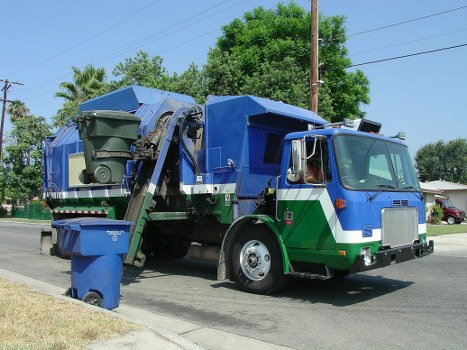 The scope covers all aspects of commercial waste management including containerised collections, bulky waste removal, secure handling of commercial refuse and any specialist removals such as segregated recyclables or controlled waste streams. Commercial waste services in Loughton are provided with due regard to manual handling rules, hazardous material segregation, spill response and secure documentation of any regulated waste movements.
Responsibilities and Safe Systems of Work
Responsibility is shared across the organization. Senior leadership remains accountable for policy outcomes while operational managers ensure day-to-day compliance. Crew members must follow written safe systems of work, report unsafe conditions immediately and participate in safety briefings. A robust induction and periodic refresher training program is maintained so all operatives remain competent in safe collection methods and vehicle operations.
Risk Assessment and Control Measures
Risk assessments are carried out for routine tasks and specific site conditions encountered during collections in the rubbish company service area. Controls include task-specific assessments, method statements, use of mechanical aids, and exclusion zones for lifting operations. Where risks of manual handling, falls from height, or contact with sharps/hazardous substances exist, procedures require substitution, containment, or the provision of extra PPE to reduce exposure.Vehicle safety forms a core part of controls: daily vehicle checks, secure load practices, reversing safety measures and driver scheduling to manage fatigue. The policy mandates that all drivers hold appropriate licences and follow secure route planning to minimize interactions with pedestrians and reduce environmental impact from unnecessary idling.
Waste segregation and hazardous waste handling are strictly controlled. Commercial waste removal Loughton includes steps to identify contaminated or hazardous loads, isolate them, and use licensed transfer routes and disposals. Chemical, biological or other controlled wastes are documented and handled by trained personnel only. Spill kits and containment measures are available on vehicles and at depots for immediate response to accidental releases.
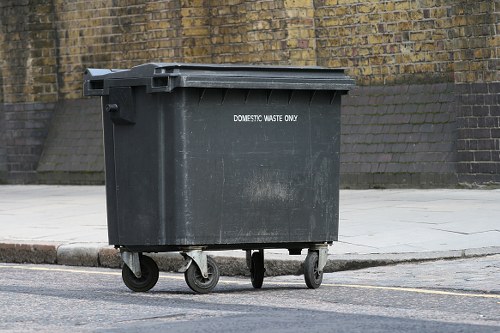 Emergency procedures cover first aid, incident reporting, containment of spills and coordination with emergency services when required. Staff are trained in immediate response actions and the escalation chain. All incidents and near-misses are logged and reviewed to identify root causes and corrective actions to prevent recurrence. This strengthens the safety system and drives continuous improvement across the commercial rubbish collection service.
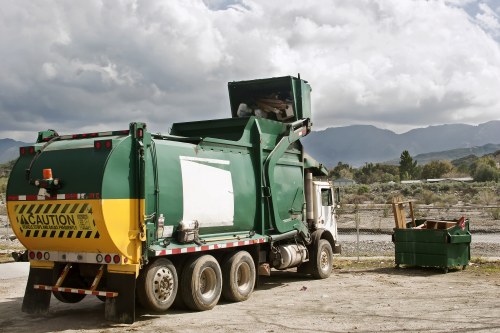 The company promotes health surveillance and welfare measures for employees exposed to dust, noise, or repetitive tasks. Occupational health referrals are available where appropriate. Regular toolbox talks, stress awareness and safe lifting demonstrations are integral to maintaining workforce wellbeing and competence in waste handling tasks.
Training, Communication and Monitoring
Effective training is a cornerstone of the policy. Training covers safe vehicle operation, correct use of PPE, manual handling, segregation of commercial waste and control of hazardous materials. Performance is monitored through audits, spot checks and planned inspections. Supervisors lead daily briefings and ensure compliance with policy requirements.Records of training, risk assessments and maintenance are kept and periodically reviewed. Communication channels ensure staff can raise safety concerns without fear of reprisal. The company encourages reporting of unsafe acts and conditions through a formal reporting process and implements corrective measures based on findings.
Key Controls and Safe Practices
Core practical controls include:- Pre-shift vehicle and equipment inspections
- Correct lifting techniques, use of mechanical aids and seatbelt use
- Segregation of recyclable, hazardous and non-hazardous commercial waste
- Provision and enforcement of PPE: gloves, hi-vis, hearing protection and respiratory protection where required
- Emergency spill containment kits and clear reporting lines
Compliance with this policy is mandatory for all employees and contractors. Non-compliance is addressed through disciplinary procedures and targeted retraining. The organization undertakes regular reviews of safety performance and legal obligations to ensure that our commercial waste operations remain safe, effective and environmentally responsible within the rubbish company service area.
Continuous improvement is achieved through audit findings, incident analysis and engagement with staff to refine procedures and operational controls. Management commits to providing the necessary resources for safe systems of work and recognises that investment in safety reduces risk and enhances service reliability.
Signed on behalf of the organization: the policy is reviewed annually or when significant changes occur in operations, equipment or legislation. This document should be read in conjunction with operational procedures, risk assessments and site-specific instructions to ensure consistent application across all commercial waste collection and removal activities.
